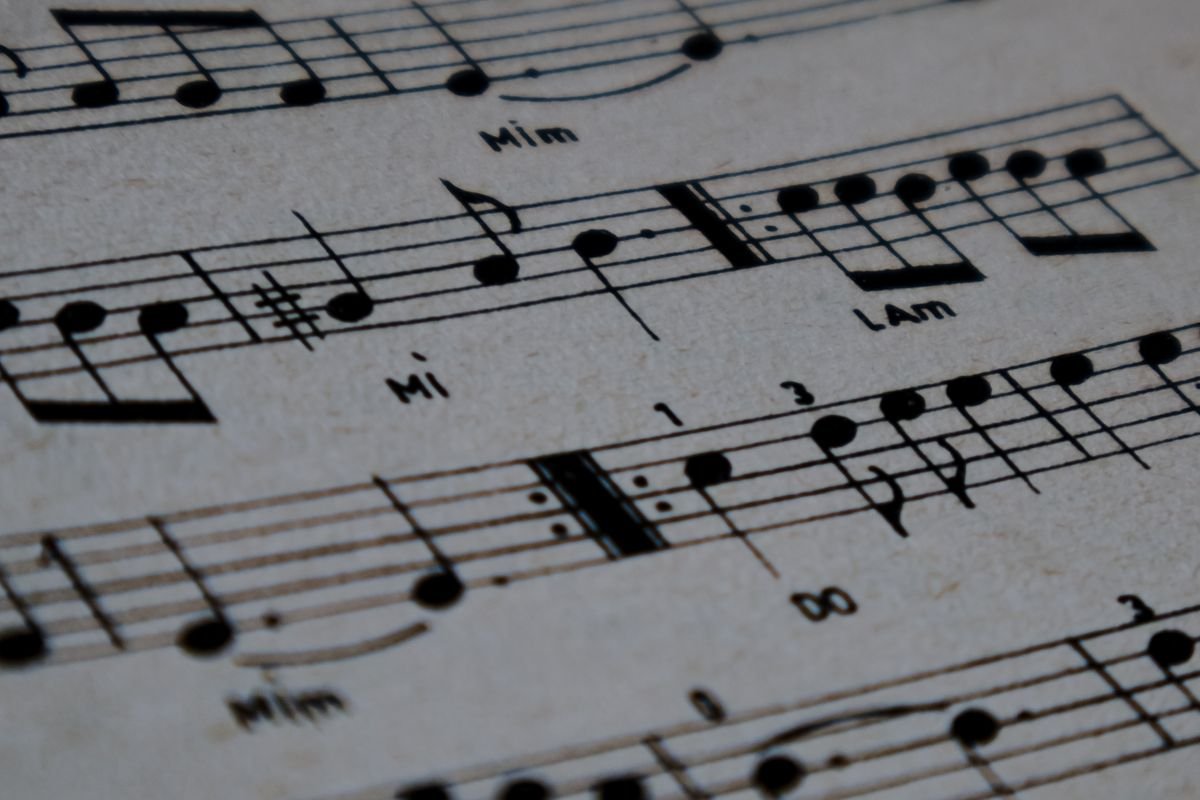
Beginner to AdvancedMusical Foundations
Music Theory
Understand notes, rhythm, scales, intervals, chords, harmony, musical form, and the language used to analyze and create music.
View Course DetailsMusic Education
Explore structured music courses designed to develop musical knowledge, practical technique, creative expression, listening skills, composition, performance, and production.
About Music Education
Music education combines theoretical understanding with listening, practice, performance, creativity, and technical development. Learners study how music is organized while also developing the ability to perform, compose, write, record, or produce it.
Each course has a different purpose. Music theory explains the language of music, instrumental and vocal courses develop performance skills, composition and songwriting develop creativity, and production courses focus on recorded sound.
Explore Your Musical Interests
Select a course to read its complete explanation, learning outcomes, curriculum, and available educational services.
Understand notes, rhythm, scales, intervals, chords, harmony, musical form, and the language used to analyze and create music.
View Course Details
Develop guitar technique, rhythm, chords, scales, reading, coordination, musical expression, and performance skills.
View Course Details
Learn how musical ideas are developed through melody, harmony, rhythm, structure, instrumentation, and arrangement.
View Course Details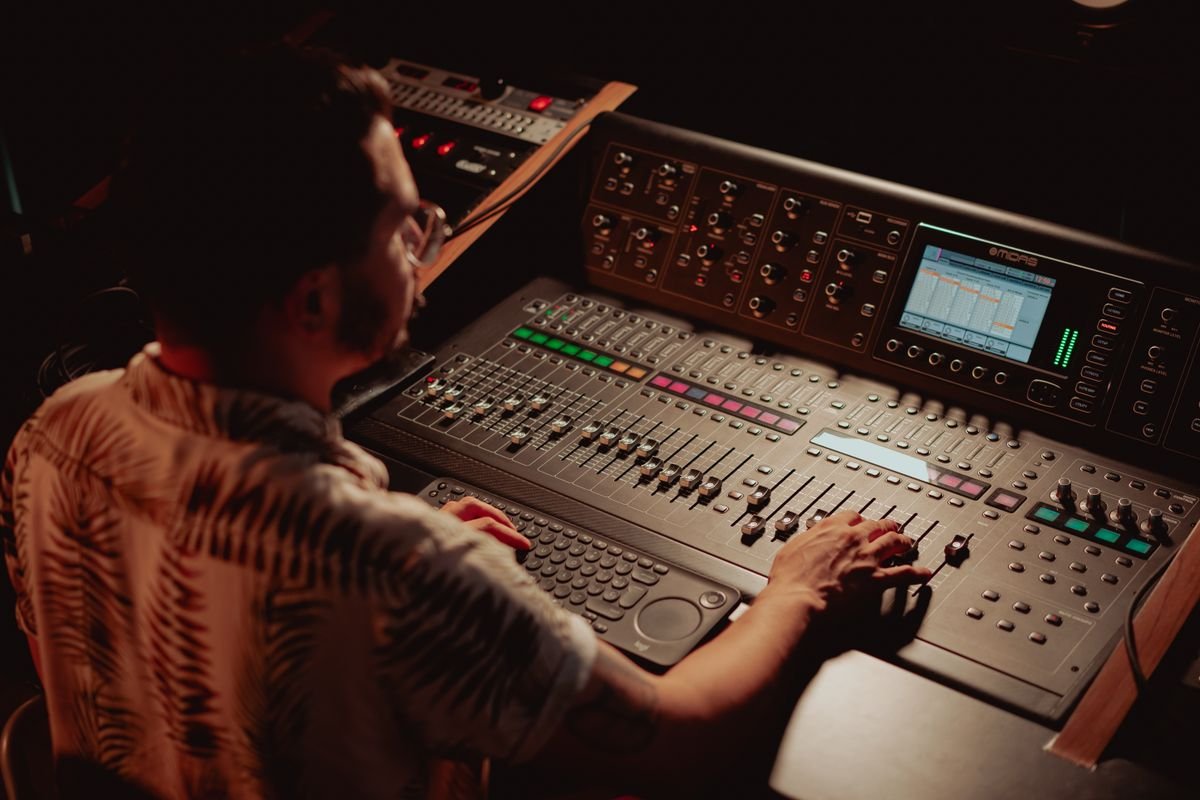
Understand how recorded tracks are balanced, processed, organized, and prepared for a clear and professional final sound.
View Course Details
Develop songs through lyrics, melody, chords, structure, rhythm, storytelling, emotional expression, and revision.
View Course Details
Develop vocal control, breathing, pitch accuracy, musical hearing, rhythm, sight-singing, and confident performance.
View Course DetailsLearning Benefits
Understand rhythm, melody, harmony, musical structure, and the essential language of music.
Develop technique through guided practice, exercises, creative projects, and musical performance.
Learn how to transform ideas, emotions, stories, and imagination into musical work.
Begin with essential foundations and progress gradually toward more advanced musical abilities.
A Complete Learning Path
Musical development requires regular practice and an understanding of how different skills connect. Theory supports performance, listening supports composition, and technical control gives learners greater creative freedom.
Students can begin with a single course and gradually combine theory, performance, composition, songwriting, voice, and music production according to their interests.
Learn how rhythm, melody, harmony, form, notation, and musical expression work together.
Develop instrumental or vocal technique through regular and structured practice.
Use musical knowledge to compose, arrange, write songs, and develop original ideas.
Learn how recordings can be edited, balanced, mixed, and prepared for presentation.
Book a consultation to discuss your musical experience, interests, goals, preferred instrument, and suitable learning path.
Book a Consultation